
Join the 17th Century
Explore the story of early Boston, Massachusetts, and the wider 17TH century world
Puritans in the 21st century: a symposium
Are New England’s Puritans the first Christian nationalists? What would John Winthrop, who stood down after his election defeat, have to say about the state of US politics? Why can’t we budge the myths about the Puritans as fun-hating, sex-loathing, grim-faced martinets?
Join us on Saturday, November 7, for Puritans in the 21st Century: Politics, Myths and the Future, a day-long symposium, held online and in the gorgeous setting of American Ancestors, central Boston, asking whether the Puritans still matter today.
In a series of lively, engaging talks with plenty of time for Q&A, leading scholars of Puritanism address all the questions you’ve been storing up (church and state? level of toleration?) and more. From resistance to tyranny to the question of coexistence with Native people to claims of American exceptionalism, we’ve got you covered. Plus: is there a future for Puritan studies?
Register now to join Francis Bremer, Holly Brewer, John Coffey, David Hall, Abram Van Engen, Daniel Richter, Adrian Chastain Weimer, Neal Dugre, Lori Rogers-Stokes, and Meredith Neuman in the first major gathering of Puritan scholars in more than 25 years. The cost for the entire day is $25/person, $10/students, or free online. Come early for coffee and pastries, stay for the day. You’ll be captivated!
Puritans in the 21st Century is hosted by American Ancestors, the Colonial Society of Massachusetts, the Congregational Library & Archives, First Church Bostons, Massachusetts Historical Society and the Partnership of Historic Bostons.
For the schedule, topics and speaker bios, click here.
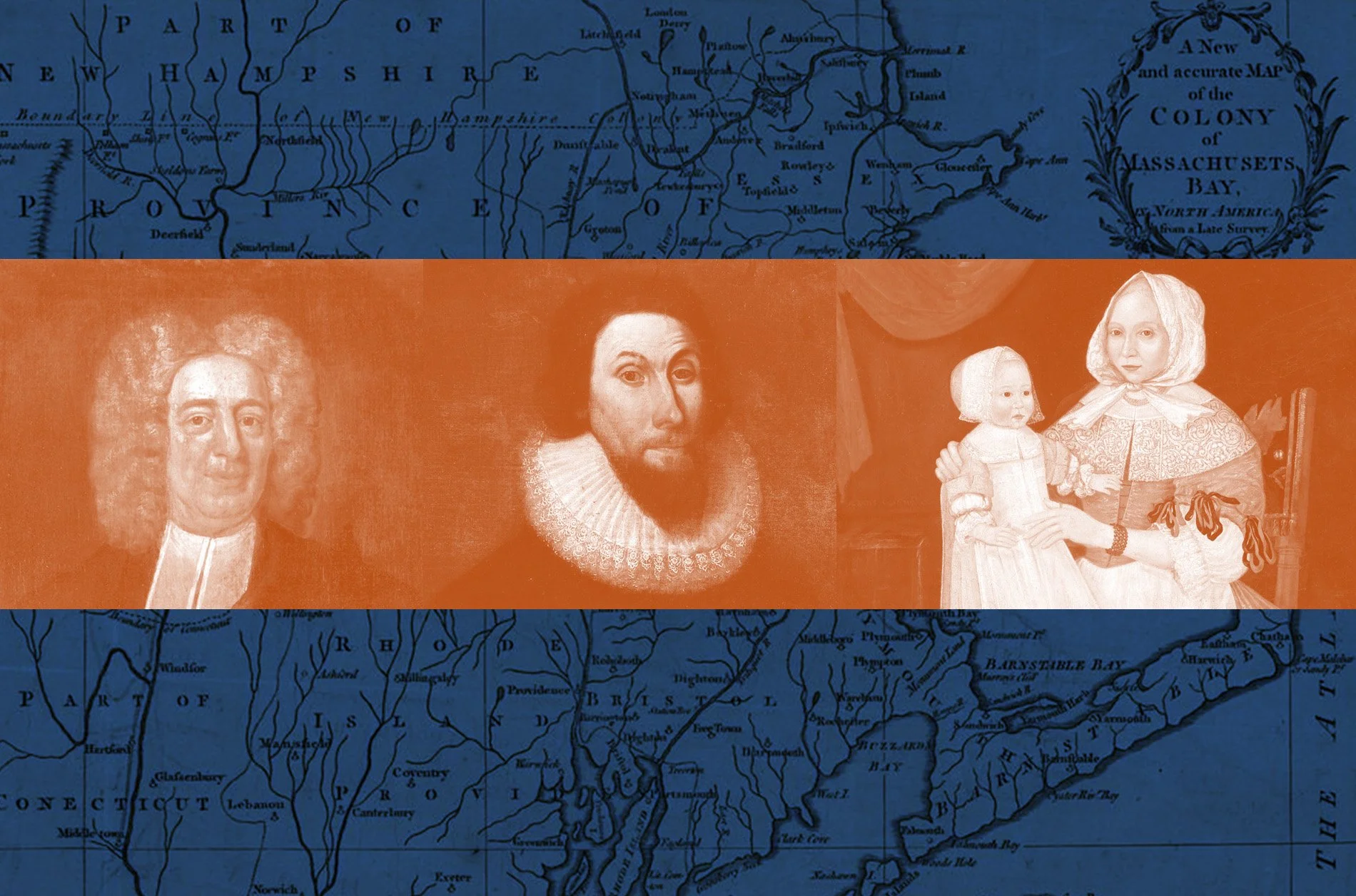
John Winthrop might well be turning over in his grave in King’s Chapel at the thought of today’s US politics. Or would he? Find out more at Puritans in the 21st Century, a symposium of Puritan scholars on Saturday, Nov 7. Image courtesy of American Ancestors
NOW THAT WE KNOW, WHAT DO WE DO?
Now that we know more about the true history of New England, and the enormity of the injustice to Indigenous people, what do we do? The PHB book club helps us ponder together the meaning of Indigenous-colonial history, the cost of enslavement, and how we reckon with it today. Because the publisher offered us a fabulous 50% discount on Linford Fisher’s masterful Stealing America, we passed it on to you, distributing nearly 100 copies. You’ve got the book, read it - now let’s discuss! Join our Stealing America discussion on Thursday, November 12.
If you missed two amazing events - Dan Richter and Brad Lopes on Puritan justifications for land expropriation; and Lin Fisher, Cheryll Toney Holley, Paula Peters and Lorén Spears on the groundbreaking project Stolen Relations - watch them here!
lorem ipsum
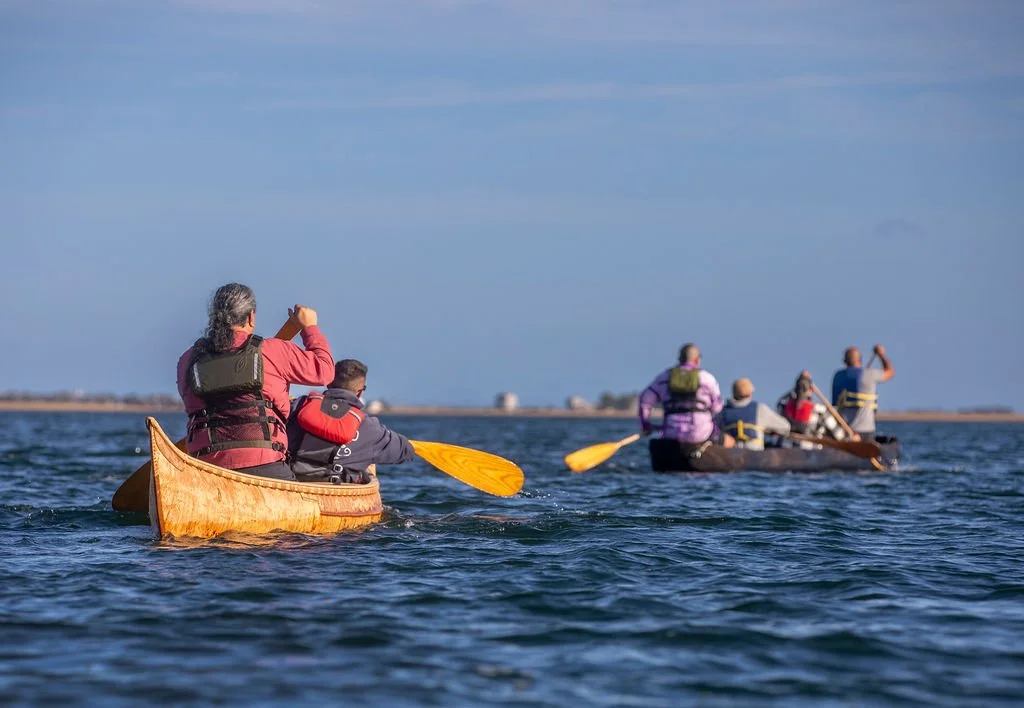
The annual launch and paddle of the Merrimack mishoon (a dugout canoe) and aputamkon (a birchbark canoe) at Newburyport’s Indigenous Peoples Day Celebration. Image Laura Kozlowski Photography | https://laurakozlowski.com/
Events
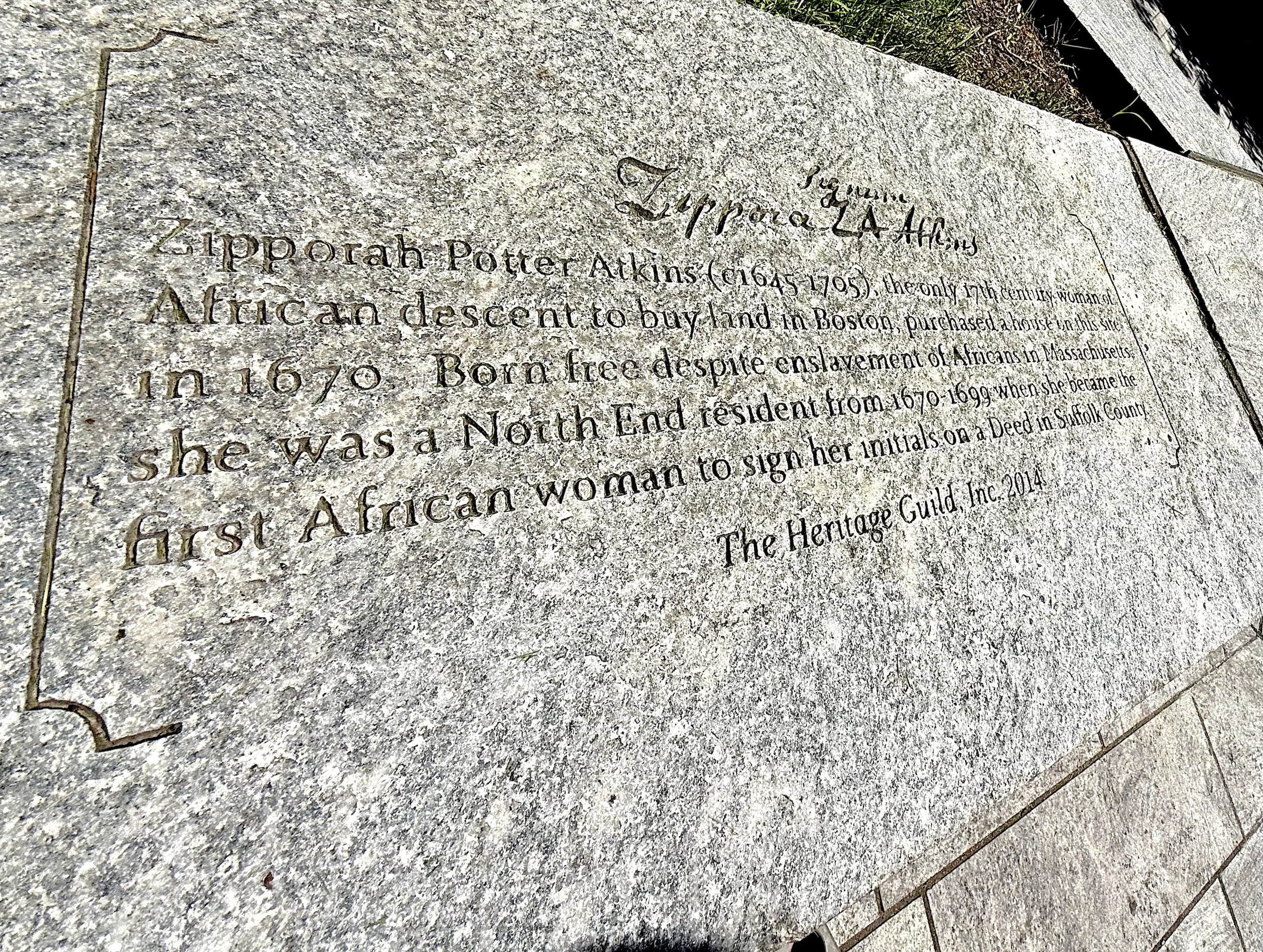
there and yet not there
dorothy clark
ONLINE, THURSDAY, DECEMBER, 2026, 7-8:30PM
For years independent researcher Dorothy Clark has delved into the archives in search of the life of Zipporah Potter Atkins, thought to be the first Black woman to own property in Boston. How do you recover such a life from elusive documentation? This presentation argues that Zipporah’s story reveals both the possibilities and limits of reconstructing Black life in early Boston.
“We need a full and honest
reckoning with our history.”
— attendee, Tyranny vs Liberty series
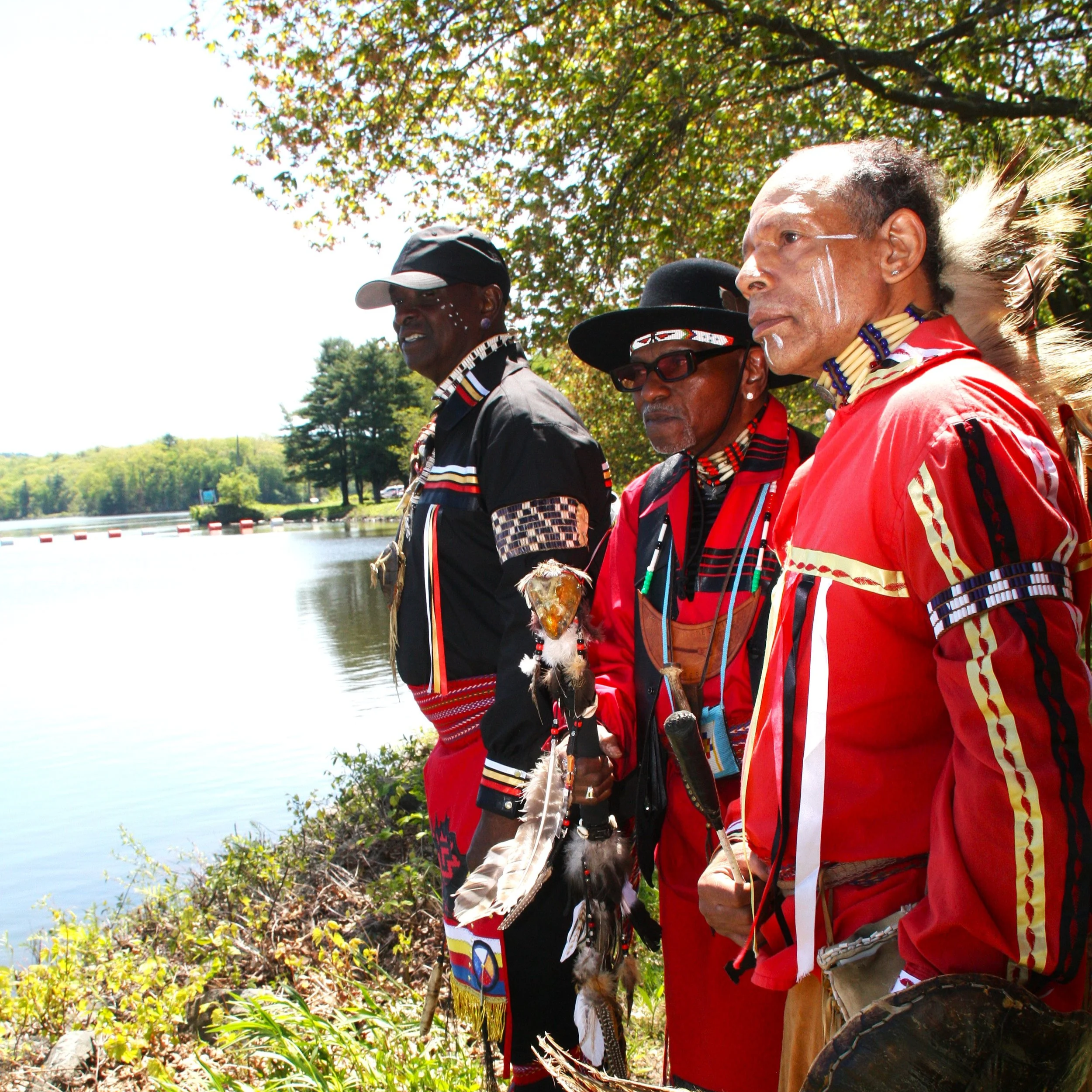
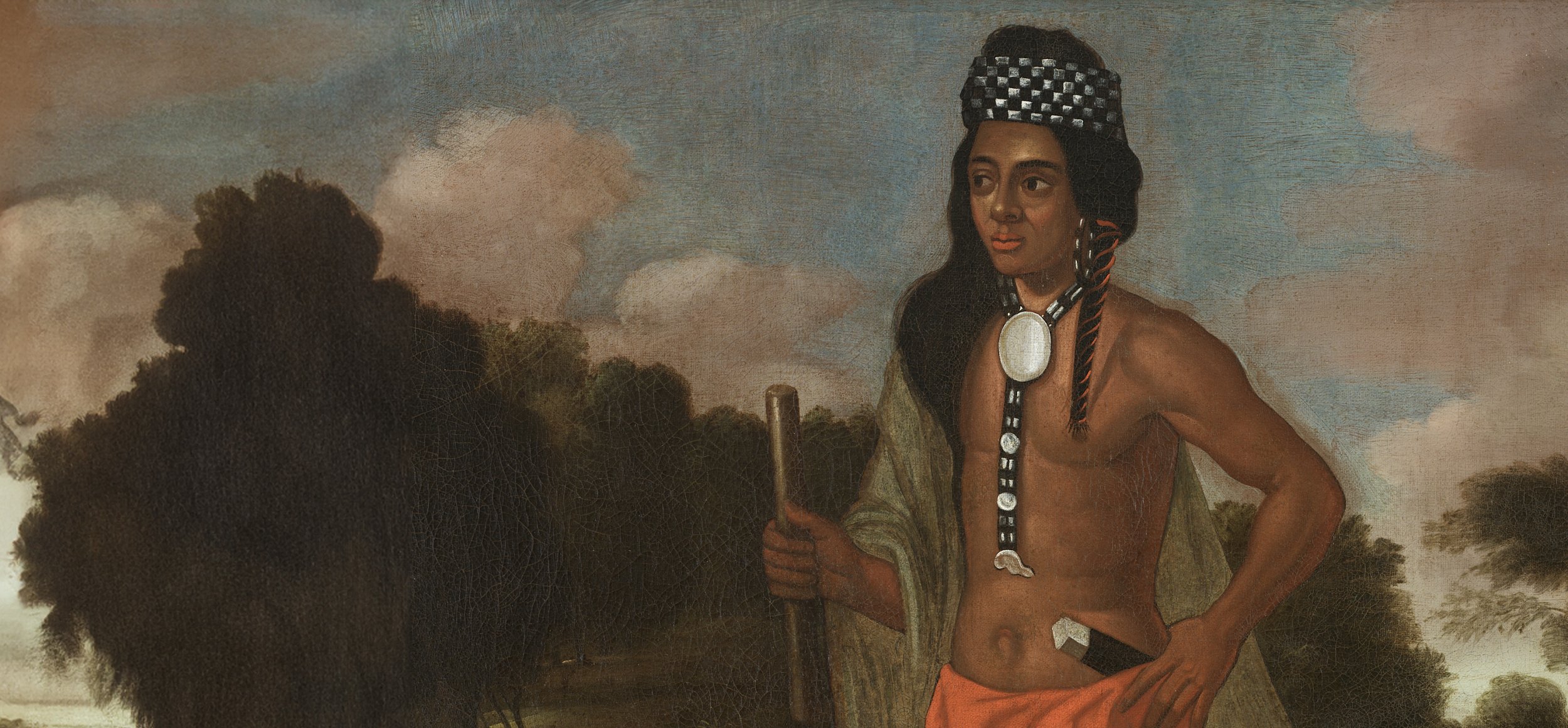
Change at Peskeompskut
In May 2026, hundreds of people gathered to mourn the slaughter of 300 elders, women and children by colonial forces at Turners Falls, in one of the worst atrocities in King Philip’s War. But this Day of Remembrance was not just about mourning. It marked the telling of the truthful story of the massacre, as Liz Cold Wind Santana-Kiser and David Brule relate.
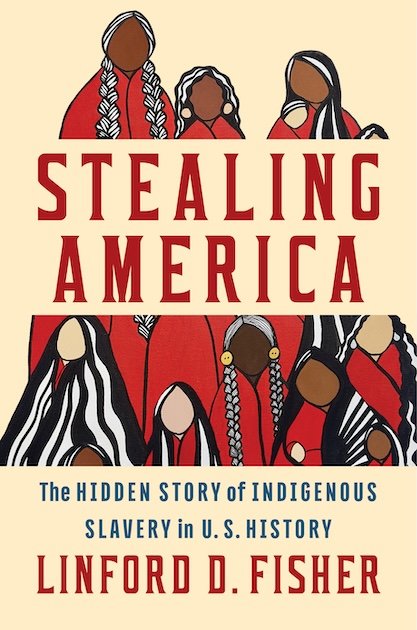
JOIN OUR BOOK CLUB!
“Vivid, insightful, and provocative”… “masterful”… “a much-needed history.” These descriptions of Linford Fisher’s Stealing America prompted us to purchase, distribute, and read his book - which entirely lives up to its reputation. Join Evana Rose Tamayo and Dorothy Clark in voicing your opinion of Stealing America - and why, or why not, it matters.
Tale of Two Bostons
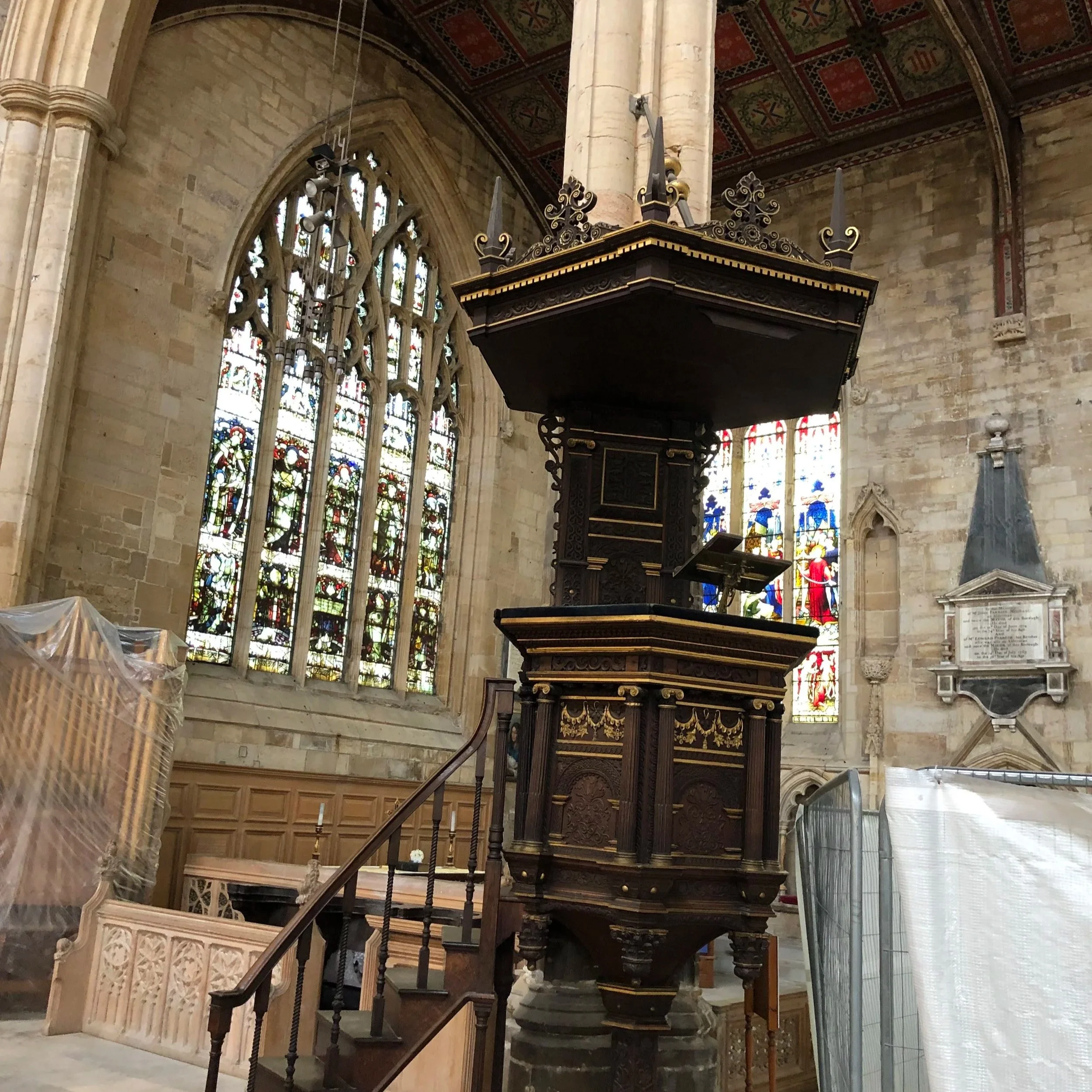
Where did the name of the Massachusetts city Boston originate? Boston, LIncolnshire, on the east coast of the UK - and men from that town helped to lead the migration to the new colony. Neal Wright, historian of Boston, Lincs., offers his review of a new book out on the men of Boston who made the trans-Atlantic journey and made Boston, Mass., their home.
“This talk opened a new world for me.”
— attendee, ‘I Pledge Allegiance’: Sovereignty and Sanctuary in the Dawnland